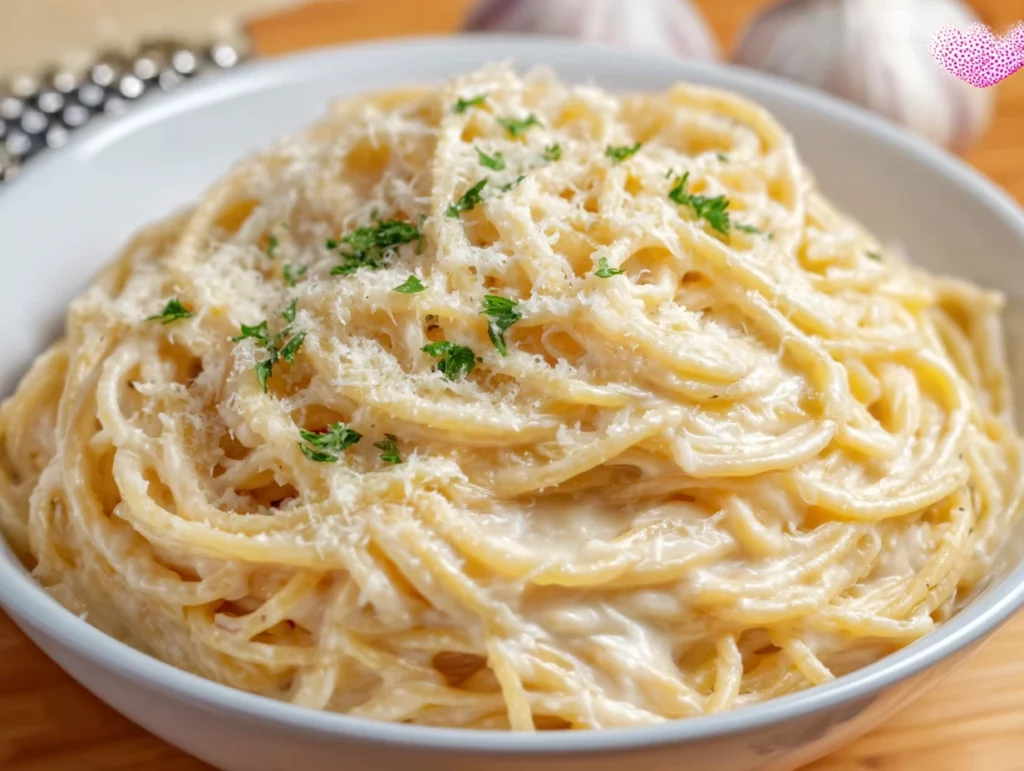
There’s just something undeniably comforting about a plate of pasta smothered in creamy Alfredo sauce. It’s warm, indulgent, and always feels like a treat—even when it only takes 15 minutes to pull together. This classic homemade Alfredo sauce is proof that you don’t need a long list of ingredients or fancy kitchen gadgets to make something truly special. With just a handful of pantry staples, you’ll have a restaurant-worthy sauce that’s perfect over fettuccine, spooned on grilled chicken, or even served as a dip with warm breadsticks.
I still remember the first time I tried making Alfredo sauce from scratch. I was a little skeptical, thinking it couldn’t possibly taste as rich and flavorful as the one from our favorite Italian place. But after one spoonful, I was completely sold—and honestly, a little surprised by how much better it was than any jarred version I’d ever used before. Now it’s one of those go-to recipes I make when I want something that feels a little fancy without actually putting in much effort.
So let’s dive in and get started! If you’ve never made Alfredo sauce from scratch before, don’t worry—I’ve got all the steps laid out for you. This version is beginner-friendly but tastes anything but basic.
Ingredients You’ll Need:
-
2 tablespoons unsalted butter
-
3 garlic cloves, minced
-
1 ½ cups heavy cream
-
1 ½ cups freshly grated Parmesan cheese
-
½ teaspoon black pepper
-
Salt to taste
-
1 tablespoon chopped parsley (optional, for garnish)
You’ll want to use freshly grated Parmesan for the best results. Pre-shredded cheese doesn’t melt the same way and can make the sauce a little gritty. And while parsley is totally optional, I love the way it adds a touch of color and freshness right at the end.
STEPS: Let’s Make Creamy Alfredo Sauce
Step 1: Melt the Butter and Sauté the Garlic
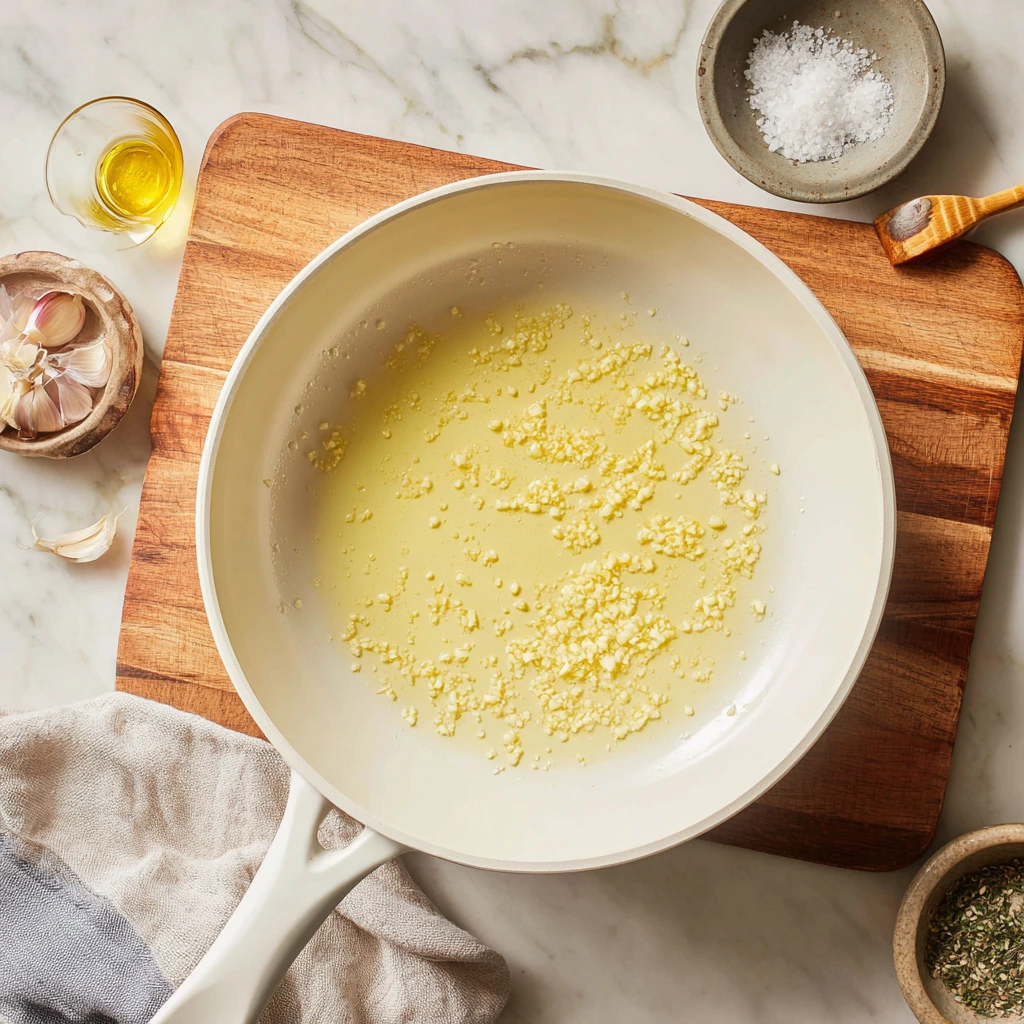
Grab a large skillet and set it over medium heat. Melt 2 tablespoons of unsalted butter, and once it’s fully melted, toss in your minced garlic. Let it cook for about 1 to 2 minutes. You want it to be fragrant, but keep an eye on it—garlic can go from golden to bitter in a heartbeat.
This step sets the foundation for that deep, savory flavor Alfredo sauce is known for. And trust me, your kitchen will smell amazing.
Step 2: Add the Heavy Cream
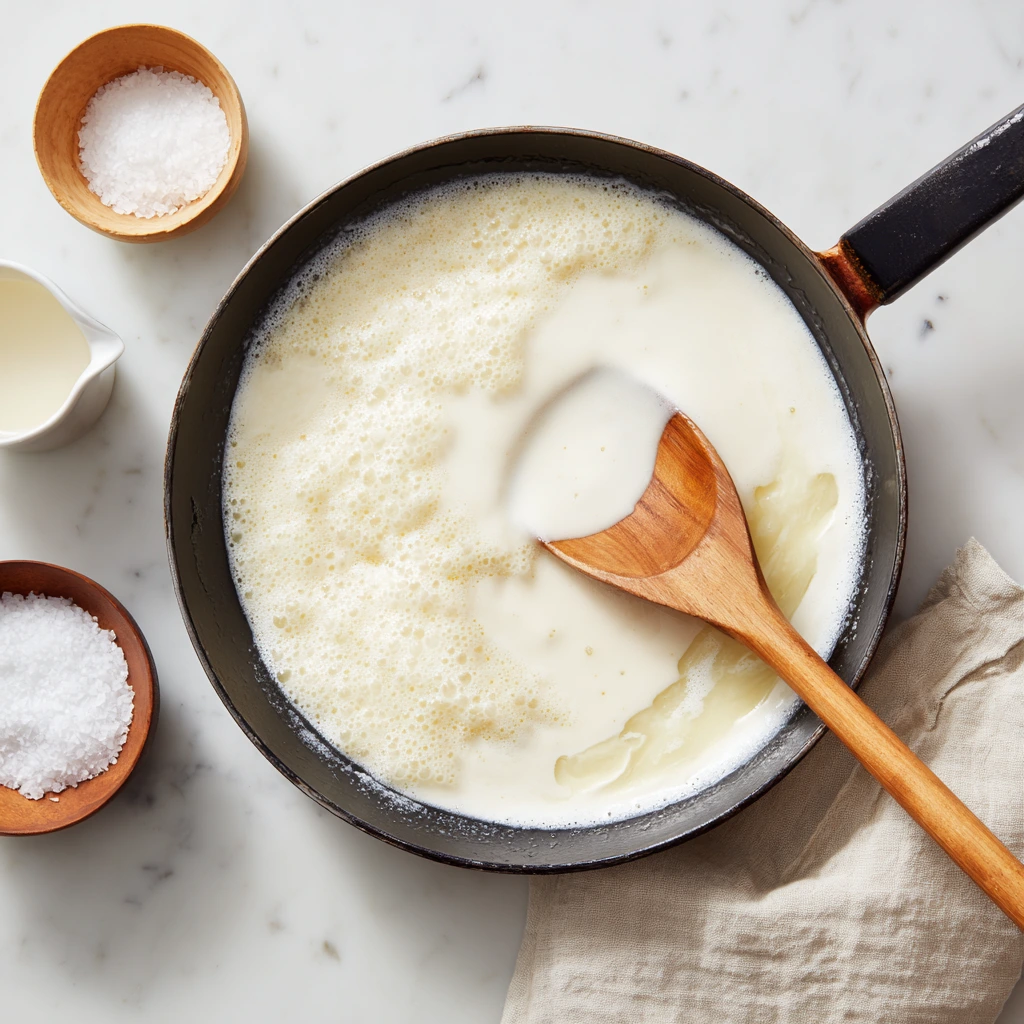
Now it’s time to bring in the richness. Slowly pour in 1½ cups of heavy cream while stirring continuously. This helps everything blend together smoothly and prevents any separation. Once it’s all in, let it come to a gentle simmer.
The key here is patience—keep the heat on medium or even slightly lower. You don’t want the cream to boil, just bubble gently. This gives the sauce its signature velvety texture.
Step 3: Time for the Cheese
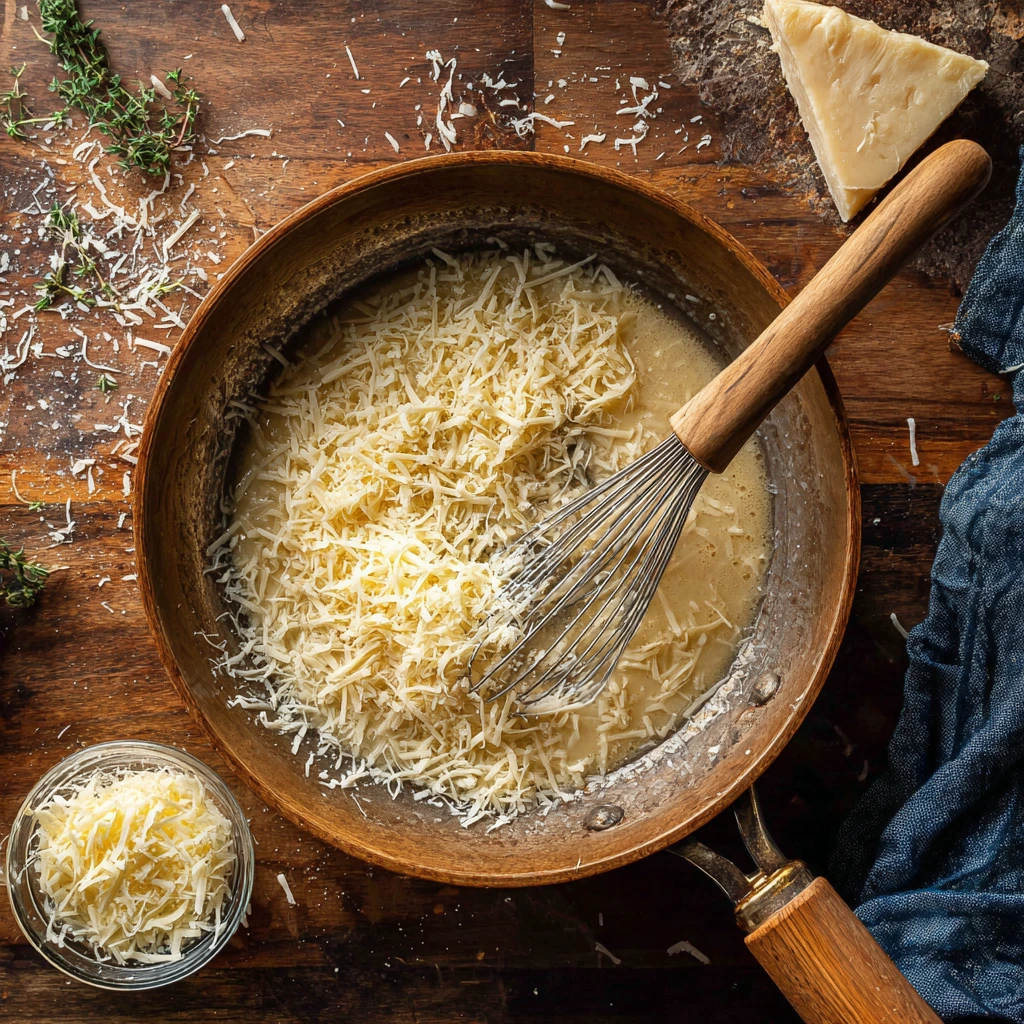
Here’s where the magic really starts to happen. Reduce the heat to low and begin whisking in the Parmesan cheese a little at a time. Stir as you go to help it melt evenly and prevent clumping.
If the cheese isn’t fully melting, just give it a minute. It helps to keep everything warm but not too hot, and whisking consistently will get you that ultra-smooth finish.
Homemade Alfredo Sauce: Finishing Touches & Serving Tips
Now that we’ve got the foundation of our creamy Alfredo sauce bubbling away and full of cheesy goodness, it’s time to bring everything together and take it to the finish line. The next steps are all about seasoning, texture, and those little touches that turn a simple sauce into a dinnertime favorite.
What I love most about this sauce is how versatile it is. It can be dressed up for date night or kept simple for a quick weeknight dinner. And honestly, once you’ve made it once, you’ll see just how easy it is to tweak based on what you’ve got on hand or what your family loves most.
Let’s finish this sauce up and talk about some of my favorite ways to serve it!
Step 4: Season and Simmer
Once your Parmesan is melted and your sauce is nice and smooth, it’s time to season. Add ½ teaspoon of black pepper and a pinch of salt to taste. Depending on the saltiness of your cheese, you might not need much, so taste as you go.
Let the sauce continue to simmer on low for another 2 to 3 minutes. This helps it thicken just a bit more and lets all the flavors blend together beautifully. The texture should be silky and thick enough to coat the back of a spoon, but not overly heavy.
Step 5: Add a Pop of Freshness (Optional)
Right before serving, you can stir in about a tablespoon of chopped parsley. This is completely optional, but it does give the sauce a fresh, herby note and a pretty pop of green color. Especially if you’re serving it for guests or a special dinner, it’s a nice touch that makes it feel just a little extra.
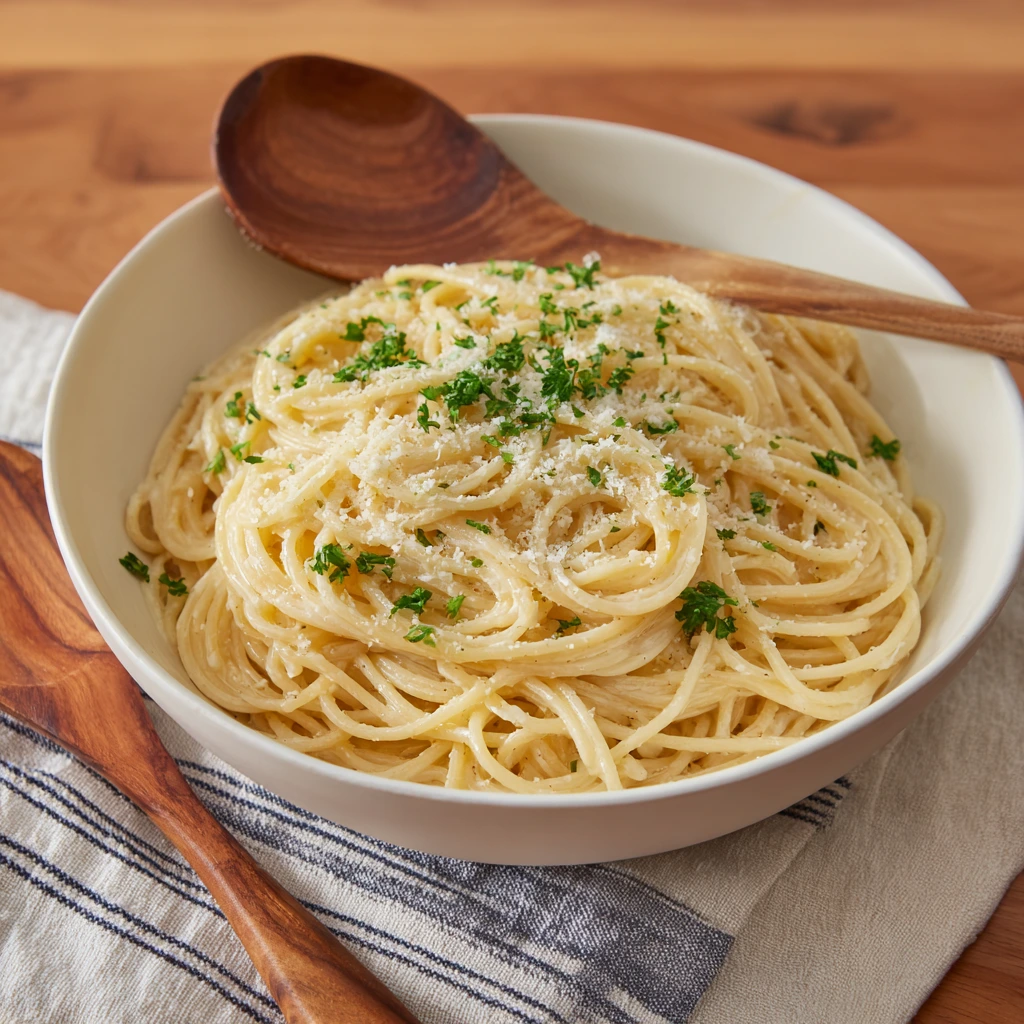
How to Serve Alfredo Sauce
Here’s where the fun really begins. While the classic pairing is fettuccine Alfredo, this sauce is the kind of recipe that plays well with a whole range of dishes. Here are a few of my favorite ways to use it:
-
Fettuccine or Linguine – Classic, creamy, and comforting. Toss your cooked pasta right in the pan with the sauce and stir until every strand is coated.
-
Grilled or Baked Chicken – Drizzle it over chicken breasts for an easy and elegant meal.
-
Shrimp Alfredo – Add sautéed shrimp to the sauce just before serving for a seafood twist.
-
Vegetable Alfredo – Broccoli, mushrooms, spinach, or peas can all be added for a meatless option.
-
Dip for Breadsticks – Don’t knock it till you try it. Warm Alfredo and fresh bread? Yes, please.
And here’s a little trick: if the sauce thickens up more than you’d like as it cools, just add a splash of reserved pasta water or a touch more cream and stir to loosen it back up.
Tips & Variations
Let’s talk a few quick tips that can really make a difference:
-
Always use freshly grated Parmesan. The pre-shredded kind often has additives that keep it from melting smoothly.
-
Avoid high heat. Keep things on low to medium heat throughout the process to prevent the cream from curdling or the cheese from clumping.
-
Make it lighter. You can substitute half of the heavy cream with whole milk if you want a slightly lighter version. It won’t be quite as rich, but it’ll still be delicious.
-
Add protein or veggies. You can easily stir in cooked chicken, shrimp, or vegetables at the end to make this a full meal.
-
Store leftovers properly. If you end up with extra sauce, store it in an airtight container in the fridge for up to 4 days. Reheat gently on the stove with a splash of milk or cream to bring it back to life.
Creamy Alfredo Sauce: FAQ & Final Thoughts
You’ve got your silky, homemade Alfredo sauce simmered to perfection, and hopefully, you’re already dreaming of pasta night. But before you dive in, let’s tackle some of the most common questions people have when making Alfredo sauce from scratch. Whether you’re a first-timer or just looking to improve your go-to recipe, this section will help you feel more confident in the kitchen.
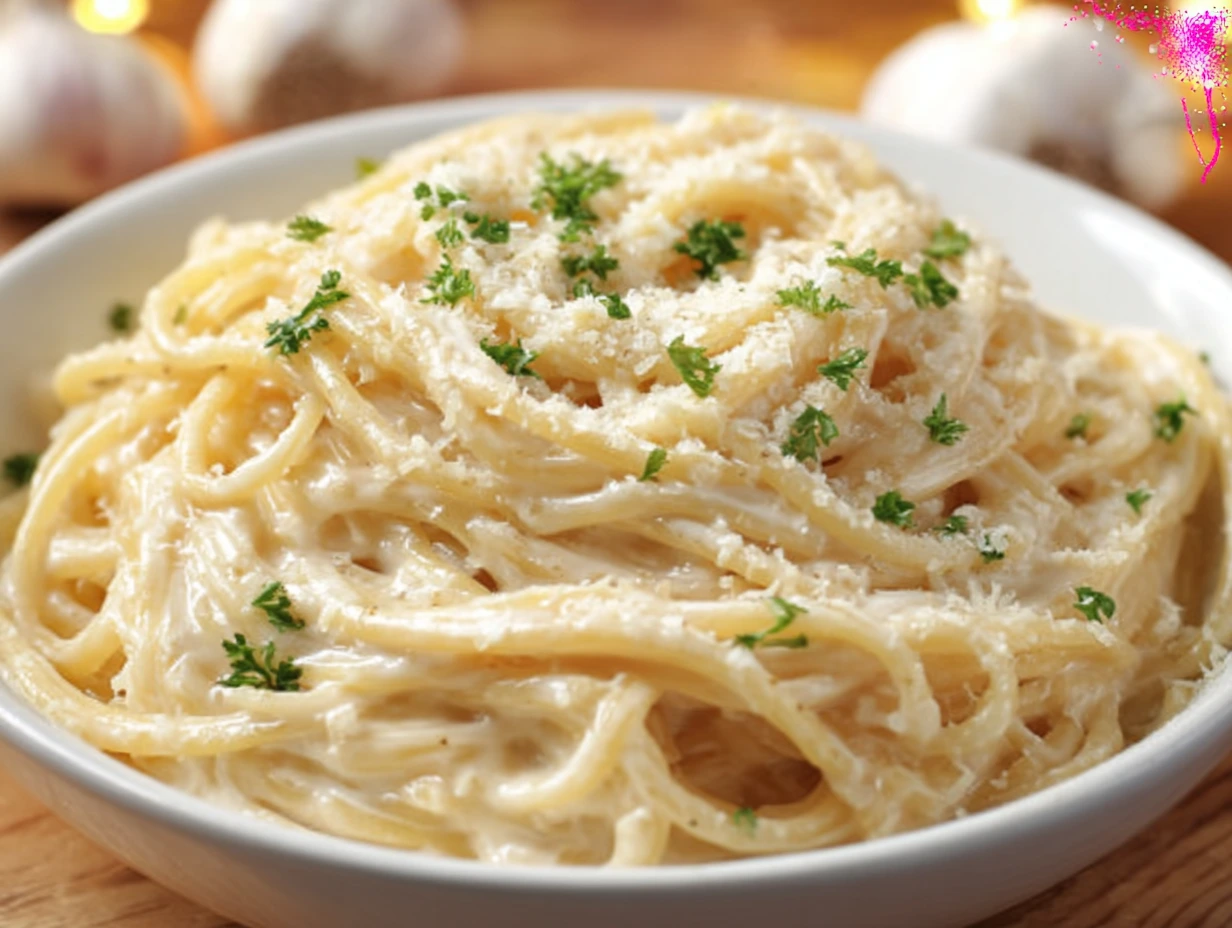
FAQ: Your Alfredo Sauce Questions, Answered
1. Why did my Alfredo sauce turn out grainy or clumpy?
This is usually caused by using pre-shredded cheese or turning the heat too high. Freshly grated Parmesan melts more smoothly, and low heat helps everything stay creamy. If the sauce gets too hot, the cheese can seize up and cause a grainy texture.
2. Can I make Alfredo sauce ahead of time?
Yes, but it’s best enjoyed fresh. If you do make it ahead, store it in an airtight container in the refrigerator for up to 4 days. Reheat it slowly over low heat, adding a splash of cream or milk to loosen the texture.
3. How can I make Alfredo sauce without heavy cream?
For a lighter version, use half-and-half or a mix of whole milk and a tablespoon of flour (to help thicken). Keep in mind the sauce won’t be quite as rich, but it can still be delicious.
4. What kind of pasta works best with Alfredo sauce?
Fettuccine is the traditional favorite, but you can use linguine, penne, rigatoni, or even tortellini. Just go for something with a little texture to help hold onto the sauce.
5. Can I freeze Alfredo sauce?
Technically, yes—but it’s not ideal. Cream sauces tend to separate when frozen and reheated. If you do freeze it, expect to do a lot of stirring and add a bit more cream during reheating to help bring it back together.
6. How can I add flavor to Alfredo sauce without overpowering it?
A pinch of nutmeg adds warmth, or a splash of white wine (before adding the cream) can deepen the flavor. You can also stir in sautéed mushrooms, cooked spinach, or roasted garlic for something a little different.
7. What can I serve with Alfredo sauce besides pasta?
This sauce is super versatile! Use it as a dip for garlic bread, drizzle it over roasted vegetables, or spoon it on top of baked potatoes or grilled meats.
Final Thoughts: Make It Yours
Homemade Alfredo sauce is one of those recipes that surprises people the first time they try it—both with how easy it is to make, and how much better it tastes than anything from a jar. It’s the kind of dish that feels indulgent and impressive, but it’s also totally weeknight-friendly.
Once you’ve mastered the basics, you can start experimenting. Add your favorite proteins, switch up the pasta, or use it as a creamy base for casseroles. It’s a recipe that grows with you and can easily become part of your regular meal rotation.
PrintCreamy Alfredo Sauce

This classic creamy Alfredo sauce is rich, velvety, and incredibly simple to make. Using just a few high-quality ingredients, it creates a luscious sauce perfect for pasta, chicken, or even as a dipping base for breadsticks and vegetables.
- Author: Mark's Recipe
Ingredients
2 tablespoons unsalted butter
3 garlic cloves, minced
1 ½ cups heavy cream
1 ½ cups freshly grated Parmesan cheese
½ teaspoon black pepper
Salt to taste
1 tablespoon chopped parsley (optional)
Instructions
In a large skillet, melt the butter over medium heat. Add the minced garlic and sauté for 1 to 2 minutes until fragrant but not browned.
Slowly pour in the heavy cream while stirring constantly. Bring to a gentle simmer.
Reduce the heat to low and gradually whisk in the Parmesan cheese. Stir until the cheese is fully melted and the sauce is smooth.
Season with black pepper and salt to taste. Let the sauce simmer for another 2 to 3 minutes until slightly thickened.
Remove from heat and stir in chopped parsley if desired.
Serve immediately over your favorite pasta or use as a creamy base for other dishes.
Notes
se freshly grated Parmesan for the smoothest texture. Avoid high heat to prevent the cream from curdling or the cheese from clumping. This sauce thickens as it cools and can be adjusted with a splash of pasta water if needed. For a lighter version, substitute half the cream with whole milk.